
Mahjong Soul
Yostar Limited.Strategy
4.61.95K Reviews
- Version
- 4.0.21_GP
- Installs
- 500.00K
- Age Rating
- Teen
Screenshots
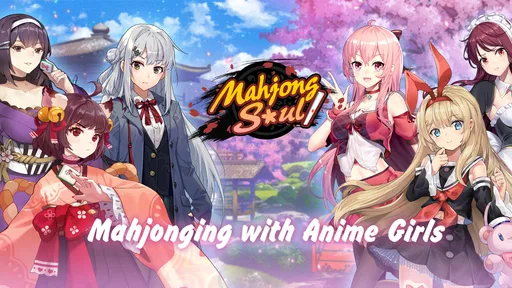
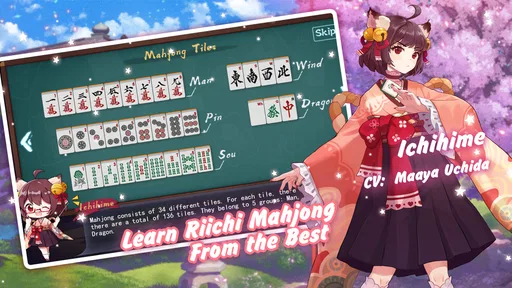
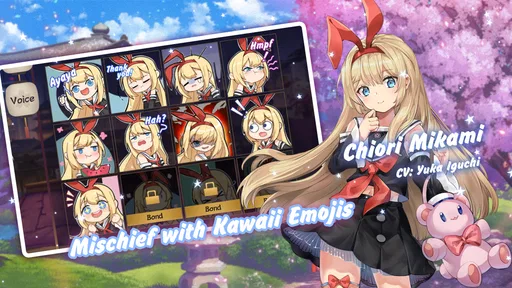

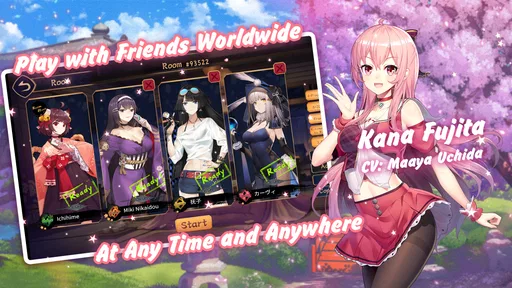
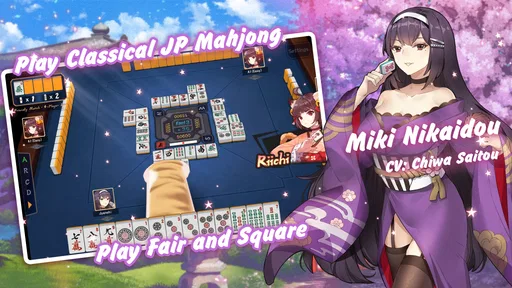
Our Review of Mahjong Soul
 Analysis by Appyee
Mahjong Soul is the kind of strategy game that can look light and playful at first, then quietly demand much more attention than its cute presentation suggests. I installed it expecting a casual take on Japanese Mahjong, and that first impression is still accurate, but only up to a point. The anime character art makes the tables feel welcoming, while the rules create a serious layer of decision-making underneath. I found myself switching between relaxed matches and moments where one discarded tile suddenly mattered a great deal.
Developed by Yostar Limited, this free game sits in a very specific space: it is not a broad collection of mini-games, and it is not a simple puzzle that can be understood in a minute. It is a focused Japanese Mahjong experience wrapped in a character-driven visual style. That combination is its main appeal, but it also explains why it will not suit everyone. If you want a strategy game with a clear central rule set and room to improve, it has plenty to offer. If you want instant action or a game that teaches every detail without effort, the opening hours may feel demanding.
The game is rated Teen, and that feels like a sensible fit for its competitive structure and anime presentation. It is free to start, with optional purchases ranging from $0.99 to $79.99 per item. I would approach those purchases as a separate part of the experience rather than as a reason to begin playing. The core question is whether you enjoy Japanese Mahjong, or are willing to learn it, because the visual layer can invite you in but cannot replace the underlying game.
How the presentation turns a traditional game into a personal table
I found the character-led presentation does more than make the table look friendly: it gives the quiet stretches of Japanese Mahjong a distinct mood without taking attention away from the tiles. That balance is useful when you are learning, because the visual personality invites you to stay while the rules ask you to think. Next, I’ll look at how that welcoming surface meets the game’s more demanding decisions.
A welcoming first impression with a serious game underneath
The first thing I noticed was the contrast between the cheerful cast and the concentration required at the table. The characters give the game a sense of identity immediately. Instead of feeling like an anonymous digital board, each match has a more personal, animated frame around it. That matters because Mahjong rounds can involve waiting, calculating, and watching other players rather than constant movement. The art keeps those quieter stretches from feeling completely bare.
At the same time, the presentation does not make the rules disappear. The tiles, melds, discards, and scoring decisions remain the center of attention. I never felt that the character design was trying to disguise a shallow system. The opposite is closer to the truth: the attractive setting makes it easier to sit with a game that rewards patience. My advice is to treat the characters as an invitation, not as the main event.
That distinction also affects who should try it. Someone already familiar with Japanese Mahjong can move quickly toward tactical play and table awareness. A newcomer has to learn both the language of the tiles and the rhythm of a full round. The game is approachable in tone, but not automatically simple in practice. I found that the most useful mindset was to accept small losses while learning instead of expecting to understand every scoring opportunity immediately.
The visual language supports focus rather than fighting it
Mahjong Soul uses anime styling to give the experience emotional color, but the important visual information remains tied to the table. Character portraits and expressive presentation make wins, mistakes, and tense turns feel more memorable. The setting is not a sprawling fantasy world that interrupts play; it is a social, character-led frame around a traditional strategy game. That restraint helps the central activity stay readable.
One subtle strength is the way the game makes a slow match feel like an event rather than a spreadsheet. Mahjong naturally contains pauses while players consider their hands. A completely plain interface could make those pauses feel like administrative work. Here, the cast and visual tone give the waiting a little personality. I still had to provide the concentration, but I was more willing to remain engaged through a difficult round.
There is a trade-off, though. Players who prefer a strictly traditional or minimal interface may find the anime direction distracting, especially when they are trying to memorize tile patterns and scoring relationships. I would recommend it more readily to people who enjoy character presentation in their strategy games than to someone looking for a bare-bones digital table. The style is not decoration added at random; it is a major part of how the game asks you to spend time with Mahjong.
What the setting communicates without needing a large story
The setting works through atmosphere rather than through a long narrative campaign. I did not need a complicated plot to understand the intended mood: this is a competitive table where the cast makes the experience feel lively and approachable. That is a good match for Mahjong, because the game already creates its own stories through risky calls, unexpected draws, defensive discards, and late reversals.
In everyday use, that makes it surprisingly easy to fit into a routine. I could play when I had enough time to concentrate on a round, then return later with a clearer idea of what I wanted to improve. It is not the best choice for a thirty-second distraction, because a serious round asks for continuity. But it works well as a deliberate break after work or study, especially if I want something more mentally active than scrolling and less physically demanding than an action game.
Sound gives the table a pulse
The audio presentation contributes to the feeling that each match has a mood, even when the rules themselves remain familiar. Sound helps distinguish a quiet period of drawing and discarding from a moment when the table suddenly becomes tense. That change in rhythm is important: Japanese Mahjong can become absorbing when the player is not merely waiting for a useful tile but evaluating what everyone else might be building.
I found the sound most effective when paired with the visual reactions of the characters. Neither element has to carry the whole experience alone. The art gives the match personality, while the audio helps prevent the table from feeling static. Together, they make a long session easier to stay inside, particularly when the result depends on several small decisions rather than one dramatic action.
Still, I would not describe the presentation as a substitute for good pacing. The game remains turn-based and thoughtful. If you need constant sound changes, rapid controls, or immediate feedback every second, its rhythm may feel slow regardless of how appealing the characters are. Its strongest mood is one of focused tension, not adrenaline. That is a strength for strategy players and a limitation for anyone seeking an action-first experience.
Why the pacing suits Mahjong better than a faster design would
The pacing gives me time to examine the shape of my hand and think about the consequences of a discard. That may sound obvious, but it is where the game’s atmosphere and mechanics meet. A faster presentation could make Mahjong look more exciting, yet it would also make learning harder and encourage careless decisions. Here, the pauses become part of the experience. I began to notice that a quiet turn was not empty time; it was an opportunity to read the table.
A useful habit is to separate three questions before acting: what improves my own hand, what tile is safest to discard, and what information my previous choices have already revealed. Beginners often focus only on the first question. Mahjong Soul becomes more interesting when the second and third start influencing the decision. This is one of the non-obvious reasons I kept returning: the game gradually changes from matching tiles into managing incomplete information.
The downside is that a match can feel unforgiving when I am tired or distracted. A casual puzzle often lets me pause without losing much progress. A Mahjong round does not always offer that comfort, because the table continues to develop around each decision. I would play it when I can give it proper attention, not while trying to multitask.
The mechanics reward restraint more than flashy choices
Japanese Mahjong has enough depth that the most attractive move is not always the best one. I learned to be more cautious about chasing a high-value hand when the safer route was to complete a modest hand or avoid feeding another player a useful tile. This creates a satisfying tension between ambition and survival. The game is strategic not because every turn offers a dramatic choice, but because small choices accumulate.
That makes the character-driven style a good mechanical fit. The expressive presentation encourages an emotional connection to the match, while the rules repeatedly ask me to stay disciplined. I might feel lucky after drawing a promising tile, but the table still requires me to consider what has already been discarded and what opponents may be collecting. The best sessions were the ones where I stopped reacting to individual draws and started thinking about the whole round.
For new players, I suggest learning the basic hand structure before worrying about every scoring detail. First aim to recognize useful sequences, pairs, and incomplete shapes. Then pay attention to when a hand is becoming too expensive to pursue. This workflow reduces confusion: build a reliable foundation, observe the table, and only then add more ambitious decisions. Trying to memorize everything at once can make the game feel more complicated than it needs to be.
Three practical habits that improved my sessions
- Do not treat every attractive tile as progress. A tile may improve your hand while also leaving you exposed. I started considering the safety of a discard before celebrating a better-looking combination.
- Use early rounds to read the table. The first few discards can reveal whether opponents are collecting connected tiles, pairs, or a more cautious hand. That information is often more useful than forcing my original plan.
- Review the reason for a loss instead of only the result. Losing after a reasonable defensive choice is different from losing because I chased a hand too long. That distinction gave each match a lesson rather than making it feel like a random setback.
These habits are especially valuable because the game’s cheerful appearance can encourage a purely casual attitude. I enjoyed that relaxed side, but improvement came when I treated each round as a sequence of probabilities and signals. The result was not less fun. It made the atmosphere more compelling because the character reactions and sound cues now accompanied decisions I understood better.
How it compares with simpler strategy alternatives
Compared with a standard solitaire-style Mahjong game, this is a very different proposition. Tile-matching alternatives usually emphasize clearing a layout, spotting pairs, and finishing a self-contained puzzle. Mahjong Soul asks me to build a hand while responding to other players and the changing state of the table. If you want a calm solo activity with no opponent pressure, a traditional matching game may be a better fit.
Compared with a generic online card game, it also has a slower and more information-heavy rhythm. There is less emphasis on constant effects or rapid turns, and more emphasis on reading possibilities from limited evidence. That makes it rewarding for people who enjoy deduction, but less immediately accessible than games where the objective is explained through a few simple actions. I would choose this when I want a competitive game that tests judgment rather than reaction speed.
It also differs from a purely traditional Mahjong application through its character presentation and mood. A formal rules-focused app may be better if your only goal is studying notation or playing with the least visual interference possible. This game is better when you want the table to feel social and expressive. The choice depends on whether atmosphere helps you stay engaged or gets in the way of concentration.
What beginners should know before committing
The most important question is whether the game teaches enough for your starting point. If you already know the basics of Japanese Mahjong, you can focus on refining decisions. If you do not, expect a learning period. I would not call that a flaw in the game’s design so much as a consequence of choosing a ruleset with real depth. The friendly art lowers the emotional barrier, but it cannot remove the need to learn terms, hand patterns, and scoring logic.
A good beginner workflow is to play slowly, notice why a hand succeeds, and avoid measuring progress only by wins. Try to identify one mistake after each round: an unsafe discard, an overambitious target, or a failure to notice what the table was showing. This keeps the game from becoming a blur of unfamiliar tiles. It also answers a common concern about free strategy games: you can get meaningful value from learning and playing without immediately treating purchases as necessary for improvement.
The optional purchases are worth considering carefully. Since individual items can cost from $0.99 up to $79.99, I would set a personal spending limit before browsing them. The game’s appeal should come from the matches and the character-led atmosphere, not from feeling pressured to buy something after a losing streak. Players who prefer a completely purchase-free environment may want to keep their expectations clear from the beginning.
Performance, access, and the practical fit
The current version is 4.0.21_GP, and the game supports Android 7.0 or later. That makes it accessible to people using older Android devices that still meet the minimum requirement, although actual comfort will naturally depend on the phone or tablet. I would use a stable connection for competitive play and avoid starting a serious round when I know I may be interrupted. The format rewards continuity more than quick drop-in sessions.
Its free entry also makes it easy to test whether Japanese Mahjong is for you without committing money first. That is useful because the central question is personal: do you enjoy the combination of calculation, uncertainty, and waiting? No amount of attractive art can answer that on your behalf. I would give it a few focused sessions rather than judging it after a single confused round.
The game has passed the early curiosity stage for many players, with over 500 thousand installs, a 4.6 average from around 28 thousand ratings, and roughly 2 thousand written reviews. Those figures suggest that the unusual blend of anime presentation and Mahjong has found a substantial audience. I still would not take popularity as proof that it fits everyone. Its audience is likely strongest among players who enjoy learning a specialized strategy system and want a more expressive setting around it.
Who I would recommend it to, and who should skip it
I would recommend it to fans of Japanese Mahjong, players who enjoy turn-based deduction, and anyone looking for a strategy game where improvement comes from reading situations rather than mastering fast controls. It is also a good option for someone who likes anime character design but wants more substance than a character-collection presentation alone. The art, sound, and table rules reinforce one another instead of feeling like unrelated layers.
I would be more cautious recommending it to someone who wants a purely relaxing game with no learning curve. The Teen rating fits the presentation, but the real barrier is not age or tone; it is the complexity of the Mahjong system. I would also steer away from it if you dislike competitive uncertainty, because even a well-considered plan can be disrupted by draws and by what other players choose to discard.
Finally, players who need very short sessions should think about their habits. A quick turn may be manageable, but a complete match asks for a more sustained commitment. For a commute with unpredictable interruptions, a solo puzzle may be safer. For a quiet evening when I want to concentrate on a strategic problem and enjoy a distinctive visual mood, this game fits much better.
The atmosphere verdict
My overall impression is that Mahjong Soul succeeds because its presentation understands what the underlying game needs. The anime cast gives the table warmth, the sound adds movement to otherwise quiet stretches, and the pacing leaves room for the careful decisions that make Japanese Mahjong rewarding. None of those elements overwhelms the mechanics. Instead, they make it easier to spend enough time with the rules to appreciate their depth.
Its limitations are equally clear. The learning curve is real, the turn-based rhythm can feel slow, and optional purchases require sensible boundaries because the listed items range from $0.99 to $79.99. It is not the right alternative to a fast action game or a simple tile-matching app. I also would not recommend pretending to understand it instantly; the better experience comes from accepting that early losses are part of learning how the table communicates.
For me, the strongest reason to keep playing is the way a match develops its own small story. A promising hand, a dangerous discard, a defensive adjustment, and a late change in fortune can all happen without a campaign or elaborate plot. The atmosphere works because every visual and audio touch ultimately leads back to a meaningful decision. If that sounds appealing, the free starting point makes it worth trying. Just give the rules time to settle, play when you can focus, and judge the game by the quality of its decisions rather than by its cute first impression alone.
Verdict
Strengths of Mahjong Soul
- Free to play with a large, active online player base.
- Cross-platform account access keeps progress available across devices.
- Multiple game modes support casual matches and competitive ranked play.
- Frequent events provide extra rewards and limited-time content.
- Clear tile animations and visual effects make matches easy to follow.
Limitations of Mahjong Soul
- Gacha mechanics can make cosmetic and character collecting expensive.
- Online matches may be stressful for players unfamiliar with riichi rules.
- Some rewards and features require lengthy daily play or repeated tasks.
- The anime-style presentation may not appeal to every Mahjong fan.
- A stable internet connection is required for nearly all gameplay.
Other Releases by Yostar Limited.
View All

Similar Picks in This Category
View All
Clash of Clans
Supercell4.5

Plants vs. Zombies™
ELECTRONIC ARTS3.7

Lords Mobile: Kingdom Wars
IGG.COM4.5

Clash Royale
Supercell4.4

State.io — Conquer the World
CASUAL AZUR GAMES4.1

Car Driving School : Car Games
Spark Game Studios3.9
Frequently Asked Questions
What is Mahjong Soul, and what type of game is it?
Mahjong Soul is an online multiplayer game based on Japanese riichi mahjong. It combines traditional tile-based gameplay with an anime-inspired presentation, collectible characters, voice acting, and competitive matches. New players can learn through tutorials and practice modes, while experienced players can participate in ranked games, friendly rooms, and seasonal events. An internet connection is generally required for the main online features.
Is Mahjong Soul free to download and play?
Yes, Mahjong Soul is free to download and play, although it includes optional in-game purchases. Players can enjoy matches and much of the core progression without paying, while premium currency may be used for cosmetics, character-related items, and other collectible content. As with many free-to-play games, some rewards and customization options may require patience, event participation, or optional spending.
Do I need to know Japanese mahjong rules before playing Mahjong Soul?
No, previous experience is not essential. Mahjong Soul provides tutorials and beginner-friendly guidance that explain the basic objective, tile combinations, and important riichi mahjong concepts. However, the game becomes considerably deeper as you learn scoring, yaku, defensive play, calling strategies, and riichi rules. Beginners may need time to understand the terminology, but the learning process is supported by practice and repeated matches.
Can I play Mahjong Soul with friends or against real players?
Yes, multiplayer is one of Mahjong Soul’s main attractions. You can compete against players online in ranked matches, casual games, and other available modes. The game also offers ways to create or join private rooms, making it possible to play with friends under shared match settings. Matchmaking, rankings, and competitive progression provide additional goals for players who enjoy testing their skills against others.
What should I know about privacy, online interaction, and in-app purchases?
Mahjong Soul is primarily an online game, so users should review the permissions, privacy policy, account requirements, and platform terms before playing. Depending on the version and login method, account data and gameplay progress may be connected to an external service. The game also includes optional purchases and online interaction, so parents should check spending controls and supervision settings if younger players will use the app.
Play our best games!


